- Jun 03, 2026
- Skincare Tips
- 180
Share this post on:
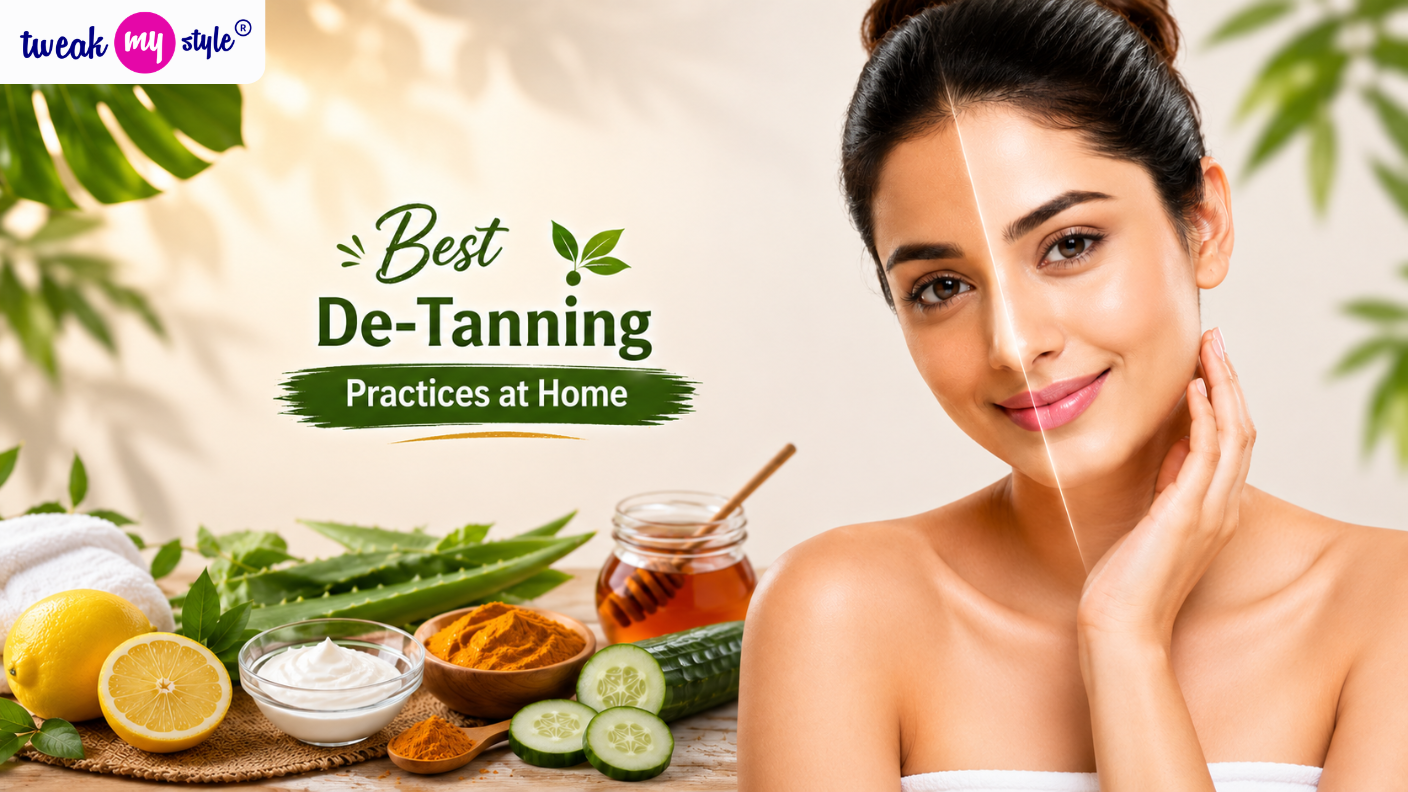
Sun exposure is a part of everyday life, whether you are commuting to work, enjoying outdoor activities, traveling, or simply running daily errands. While sunlight provides essential vitamin D, prolonged exposure to harmful UV rays can lead to tanning, uneven skin tone, pigmentation, and a dull complexion that often makes the skin appear tired and less radiant.
Many people invest in expensive skincare treatments to remove tan and restore their natural glow, but the good news is that effective de-tanning can often be achieved at home using simple, natural, and skin-friendly remedies. When combined with a proper skincare routine and sun protection habits, these natural methods can help improve skin brightness and promote a healthier appearance over time.
In this guide, we will explore the best de-tanning practices at home: natural ways to restore your skin’s glow, along with practical tips, home remedies, and preventive measures that can help you achieve a brighter and more even complexion naturally.
Key Takeaways
- Tanning occurs due to excess melanin production caused by UV exposure.
- Natural remedies can help reduce tan and improve skin brightness gradually.
- Aloe vera, cucumber, honey, yogurt, and gram flour are popular de-tanning ingredients.
- Regular exfoliation supports skin renewal and improves complexion.
- Hydration plays a major role in maintaining healthy and glowing skin.
- Daily sunscreen use is essential to prevent further tanning and skin damage.
- A balanced diet supports skin recovery and overall skin health.
- Consistency is key when using natural de-tanning methods.
Understanding Skin Tanning and Why It Happens
Before learning about de-tanning methods, it is important to understand what causes tanning in the first place and how it affects the skin.
Tanning occurs when the skin produces excess melanin as a natural defense mechanism against ultraviolet (UV) radiation from the sun. Melanin helps protect deeper layers of the skin from damage, but excessive production can lead to a darker skin tone, uneven pigmentation, and loss of natural brightness.
Factors such as prolonged sun exposure, lack of sunscreen, environmental pollution, and inadequate skincare can contribute to tanning and make it more difficult for the skin to recover naturally.
Why Natural De-Tanning Methods Are Popular
Natural de-tanning remedies have gained popularity because they are affordable, easily accessible, and generally gentle on the skin when used correctly.
Unlike some chemical-based treatments that may cause irritation or sensitivity, natural ingredients often contain vitamins, antioxidants, and soothing properties that help nourish the skin while gradually reducing tan and improving overall complexion.
Additionally, home remedies allow individuals to maintain their skincare routine consistently without relying on expensive salon treatments or professional procedures.
Best De-Tanning Practices at Home
The following natural methods can help reduce tanning, improve skin texture, and restore your skin's natural glow when used regularly as part of a healthy skincare routine.
Lemon and Honey for Brightening and Hydration
Lemon is widely known for its natural brightening properties due to its vitamin C content, while honey provides deep hydration and soothing benefits that help balance the skin.
Mixing lemon juice with honey creates a simple de-tanning remedy that can help improve skin brightness and reduce the appearance of tan over time.
Apply the mixture gently to the affected areas, leave it on for a short period, and rinse with lukewarm water. Individuals with sensitive skin should perform a patch test before using lemon-based remedies.
Aloe Vera Gel for Skin Repair and Soothing
Aloe vera is one of the most effective natural ingredients for calming sun-exposed skin and supporting the recovery process after tanning.
Its cooling and hydrating properties help soothe irritation, reduce redness, and improve skin texture while encouraging healthier skin regeneration.
Applying fresh aloe vera gel regularly can help restore moisture and promote a brighter, healthier complexion over time.
Yogurt and Turmeric Face Pack
Yogurt contains lactic acid, which gently exfoliates the skin and helps remove dead skin cells, while turmeric is known for its brightening and anti-inflammatory properties.
Combining these ingredients creates a nourishing face pack that can help improve skin tone and reduce tanning naturally.
Regular use may contribute to smoother, fresher, and more radiant-looking skin while supporting overall skin health.
Cucumber for Cooling and Refreshing the Skin
Cucumber is highly beneficial for sun-exposed skin because of its cooling and hydrating effects that help reduce discomfort and refresh tired-looking skin.
Its natural water content supports hydration, while its soothing properties can help calm the skin and improve overall appearance.
Applying cucumber juice or cucumber slices directly to the skin can provide instant freshness and help maintain a healthy glow.
Potato Juice for Natural Skin Brightening
Potato juice is often used as a home remedy for pigmentation and tanning because it contains natural enzymes and nutrients that may help improve skin appearance over time.
Applying fresh potato juice to tanned areas can support gradual brightening and contribute to a more even skin tone when used consistently.
Although results may vary from person to person, many individuals include potato-based remedies as part of their natural skincare routine.
Gram Flour and Rose Water Pack
Gram flour, also known as besan, has been used in traditional skincare practices for generations because of its gentle cleansing and exfoliating properties.
When combined with rose water, it creates a refreshing face pack that helps remove impurities, improve skin texture, and support de-tanning efforts naturally.
Regular application can leave the skin feeling clean, smooth, and refreshed while promoting a healthy appearance.
Tomato Pulp for Sun-Damaged Skin
Tomatoes contain antioxidants and skin-friendly nutrients that may help support the recovery of sun-exposed skin.
Applying fresh tomato pulp to tanned areas can provide a cooling effect while helping improve skin brightness and overall texture.
Many people use tomato-based remedies as part of their natural skincare routine to address dullness and uneven skin tone.
Importance of Exfoliation in De-Tanning
Exfoliation plays a crucial role in de-tanning because it helps remove dead skin cells that accumulate on the surface of the skin and contribute to a dull appearance.
Using a gentle scrub once or twice a week can help reveal fresher skin underneath while supporting the effectiveness of natural de-tanning remedies.
However, over-exfoliation should be avoided because it may irritate the skin and compromise its natural protective barrier.
Hydration: A Key Step in Restoring Skin Glow
Hydration is essential for maintaining healthy and radiant skin because dehydrated skin often appears dull, rough, and uneven.
Drinking sufficient water throughout the day supports skin health from within, while using moisturizers helps maintain the skin’s natural moisture balance.
Well-hydrated skin tends to recover more effectively from sun exposure and maintain a brighter appearance over time.
Daily Sun Protection to Prevent Further Tanning
While de-tanning treatments can help improve skin appearance, prevention is equally important to avoid recurring tanning and skin damage.
Using sunscreen daily, even on cloudy days, helps protect the skin from harmful UV rays and reduces the risk of tanning, pigmentation, and premature aging.
Additional protective measures such as wearing hats, sunglasses, and protective clothing can further support healthy skin and minimize sun-related damage.
Foods That Support Healthy and Glowing Skin
A balanced diet can complement your de-tanning efforts by providing essential nutrients that support skin repair and overall health.
Foods rich in antioxidants, vitamins, and healthy fats can help improve skin resilience and maintain a naturally radiant complexion.
Including fruits, vegetables, nuts, seeds, and adequate hydration in your daily diet can contribute significantly to healthier and brighter-looking skin.
Common Mistakes to Avoid During De-Tanning
Many individuals unintentionally slow their progress by making skincare mistakes that can irritate the skin or worsen tanning.
Some common mistakes include:
- Skipping sunscreen after de-tanning treatments
- Over-exfoliating the skin
- Using harsh chemical products excessively
- Ignoring hydration and moisturization
- Expecting immediate results from natural remedies
Being patient and consistent with your routine is essential for achieving sustainable and visible improvements.
Creating an Effective Home De-Tanning Routine
A successful de-tanning routine should focus on consistency rather than aggressive treatments.
A simple routine may include:
- Gentle cleansing twice daily
- Applying natural de-tanning remedies a few times per week
- Regular moisturizing
- Weekly exfoliation
- Daily sunscreen use
- Adequate hydration and healthy eating habits
Following these practices consistently can help restore skin brightness and improve overall skin health naturally.
Final Thoughts
Sun tanning is a common skincare concern, but it can be managed effectively with patience, consistency, and the right approach. Natural remedies combined with proper skincare habits can help reduce tanning, improve skin texture, and restore a healthy glow without relying on expensive treatments.
By following these best de-tanning practices at home: natural ways to restore your skin’s glow, you can support your skin’s natural recovery process and maintain a brighter, healthier complexion over time.
At Tweak My Style, we believe that healthy and radiant skin starts with simple, consistent self-care habits. Incorporating natural de-tanning methods, proper hydration, and daily sun protection into your routine can help you achieve glowing skin while supporting long-term skin health naturally.
FAQs
1. How long does it take to remove a tan naturally at home?
Natural de-tanning methods usually take several weeks to show noticeable results, depending on the severity of the tan, skin type, and consistency of your skincare routine. Regular care and sun protection can help improve results over time.
2. Which natural ingredient is best for de-tanning?
Aloe vera, yogurt, honey, cucumber, and gram flour are among the most commonly used natural ingredients for de-tanning because they help soothe, hydrate, and improve the appearance of sun-exposed skin naturally.
3. Can de-tanning remedies be used on all skin types?
Most natural remedies are suitable for various skin types, but it is always advisable to perform a patch test before applying any ingredient to larger areas, especially if you have sensitive or reactive skin.
4. Is sunscreen necessary even while using de-tanning treatments?
Yes, sunscreen is essential because it protects the skin from further UV damage and prevents new tanning. Without sun protection, de-tanning efforts may become less effective over time.
5. How often should I exfoliate while trying to remove tan?
Gentle exfoliation once or twice a week is generally sufficient for supporting skin renewal and removing dead skin cells without causing irritation or damaging the skin barrier.
6. Can drinking water help improve skin glow and reduce tanning effects?
Drinking enough water supports overall skin health by maintaining hydration levels, improving skin texture, and helping the skin recover more effectively from environmental stressors, including sun exposure.